The construction industry is evolving rapidly, driven by technological advancements, regulatory changes, and sustainability initiatives. With growing demands for smart infrastructure and efficient project execution, companies are adopting innovative approaches to stay competitive. This article explores the latest trends, challenges, and breakthroughs shaping the construction sector in 2025.
Key Trends Shaping the Construction Industry
1. Smart Construction Technologies
The integration of cutting-edge technology in construction is revolutionizing project planning and execution. Digital tools such as Building Information Modeling (BIM), Artificial Intelligence (AI), and the Internet of Things (IoT) are enhancing efficiency, reducing costs, and improving safety standards.
BIM Adoption: More firms are using BIM to create 3D models that streamline communication and project execution.
AI and Automation: Predictive analytics powered by AI help in forecasting delays and optimizing resource allocation.
IoT in Construction: Smart sensors monitor site conditions, equipment efficiency, and workforce safety in real-time.
2. Growth in Modular and Prefabricated Construction
Prefabrication and modular construction are gaining traction due to their cost-effectiveness and efficiency. These methods enable faster project completion by assembling components off-site and then transporting them for installation. The reduction in on-site waste and enhanced quality control are making this trend increasingly popular among contractors.
3. Sustainable Building Practices
With climate change concerns on the rise, sustainability is becoming a top priority in construction. Green building initiatives and energy-efficient designs are shaping the industry.
Eco-Friendly Materials: The use of recycled materials, low-carbon concrete, and sustainable wood is increasing.
Net-Zero Buildings: Architects and developers are designing buildings that produce as much energy as they consume.
LEED Certification: More projects are seeking Leadership in Energy and Environmental Design (LEED) certification to ensure sustainability compliance.
4. Increasing Demand for Skilled Workforce
The construction labor market continues to face shortages, impacting project completion times. To bridge the gap, firms are investing in workforce development programs, upskilling initiatives, and automation solutions to minimize dependency on manual labor.
5. Construction Cost Estimation Services
Accurate cost estimation is vital for project success. Many firms are now turning to professional estimating services to ensure financial efficiency. If you’re looking for reliable cost estimation solutions, check out construction estimating services in NYC.
Challenges Impacting the Construction Sector
1. Supply Chain Disruptions
Material shortages and unpredictable supply chain issues continue to challenge the industry. Companies are adopting alternative procurement strategies and diversifying suppliers to mitigate risks.
2. Rising Project Costs
The increasing prices of materials, labor, and equipment are driving up overall project expenses. Developers are leveraging cost-efficient strategies, such as bulk purchasing and contract negotiations, to manage budgets effectively.
3. Regulatory and Compliance Issues
Navigating complex building codes, environmental regulations, and zoning laws remains a critical concern. Firms are investing in legal advisory teams and compliance software to ensure adherence to regulations.
The Future of Construction: What Lies Ahead?
The construction industry is poised for further transformation, with advancements in robotics, 3D printing, and smart city infrastructure. Companies that embrace digital solutions and sustainability practices will lead the next phase of construction growth.
For those looking to optimize their construction projects with precise quantity takeoff services, explore quantity takeoff services for better budget management and material assessment.
Conclusion
As the construction industry navigates evolving trends and challenges, staying ahead of technological innovations and sustainability practices is crucial. From smart construction techniques to efficient cost estimation, the sector is experiencing a dynamic shift toward efficiency and resilience. Companies that adapt to these changes will shape the future of construction in 2025 and beyond.
In the fast-paced world of New York City construction, every dollar and every minute count. Whether you’re a general contractor, developer, or architect, ensuring accurate project cost estimation is critical for budget control, bidding success, and risk management. Professional construction estimating services in NYC provide detailed cost analyses, allowing stakeholders to make informed financial decisions and execute projects seamlessly.
Beyond simple cost estimation, modern estimating services incorporate advanced quantity takeoff, risk analysis, and regulatory compliance, making them indispensable for any NYC construction project. This article explores the significance of professional estimating services and how they enhance project efficiency and cost-effectiveness.
Understanding Construction Estimating Services
What Do Construction Estimators Do?
Construction estimators analyze blueprints, project plans, and industry pricing data to generate accurate cost projections. This includes:
Quantity takeoff services involve a precise calculation of required materials, helping project managers avoid shortages or over-purchasing. These services provide:
Exact material breakdowns to streamline procurement
Waste reduction strategies for cost savings
Improved cash flow management
Accurate quantity takeoff ensures that every phase of a construction project is executed with efficiency and precision.
Key Benefits of Professional Estimating Services in NYC
1. Cost Accuracy & Budget Control
Material prices, labor rates, and market conditions fluctuate constantly in NYC. Professional estimators stay updated with these trends to provide accurate and realistic cost estimates that prevent budget overruns.
2. Competitive Edge in Bidding
Winning bids require a balance between competitiveness and profitability. Expert estimators craft bids that are aggressive yet financially sustainable, increasing the likelihood of securing projects.
3. Time-Saving & Efficiency
Manual estimating is time-consuming and prone to errors. Outsourcing to professionals ensures faster turnaround times, allowing contractors to focus on execution rather than number-crunching.
4. Risk Reduction & Contingency Planning
By identifying potential financial risks early, estimators create contingency plans to prevent unexpected expenses and delays.
5. Enhanced Compliance with NYC Building Codes
NYC has stringent zoning laws, safety regulations, and permit requirements. Construction estimating services factor these into cost projections to avoid legal complications.
6. Better Supplier & Subcontractor Management
Detailed cost breakdowns allow for more effective negotiations with suppliers and subcontractors, leading to better pricing and contract terms.
7. Scalability for Large & Complex Projects
Large-scale developments require meticulous financial planning. Professional estimating services offer detailed insights that simplify project scalability and execution.
Choosing the Best Estimating Service in NYC
When selecting an estimating service, consider:
✅ Industry Experience: Look for estimators with experience in NYC’s construction landscape. ✅ Technology Utilization: Ensure they use advanced estimating software like Xactimate, PlanSwift, or Bluebeam. ✅ Client Reviews & Case Studies: Reputation matters—check testimonials and past project successes. ✅ Transparency in Pricing: A detailed, itemized estimate should include all costs without hidden fees. ✅ Regulatory Knowledge: NYC’s legal landscape is complex. Work with professionals who understand building codes and compliance.
Final Thoughts: Elevate Your Construction Projects with Expert Estimating
Construction projects in NYC require precise planning, budget control, and risk management. Partnering with expert construction estimating services in NYC ensures that every financial aspect is meticulously calculated, improving efficiency and profitability.
By investing in expert estimation, contractors and developers can minimize risks, improve project execution, and maximize profitability in NYC’s dynamic construction sector.
1. What are construction estimating services?
Construction estimating services provide a detailed breakdown of costs for a construction project, including materials, labor, equipment, and overhead expenses. These services help contractors and developers create accurate budgets, competitive bids, and efficient project plans.
2. Why are construction estimating services important in NYC?
NYC has a highly competitive construction industry with strict building regulations. Accurate estimating ensures budget control, risk reduction, and compliance with city codes, preventing costly project delays and financial losses.
3. What is the difference between construction estimating and quantity takeoff?
Construction estimating includes a full financial analysis of a project, covering labor, materials, permits, and other expenses.
Quantity takeoff services specifically calculate the exact amount of materials required for a project to avoid shortages and excess waste.
4. How does quantity takeoff help reduce construction costs?
By determining precise material requirements, quantity takeoff services help contractors avoid over-ordering materials or running short during the project, leading to better cost efficiency and minimal waste.
5. What are the benefits of hiring professional estimating services?
✅ Accurate cost projections ✅ Competitive bidding advantage ✅ Time and cost efficiency ✅ Regulatory compliance with NYC laws ✅ Better financial planning for large projects
6. What estimating software do professionals use?
Professional estimators use advanced software such as Xactimate, PlanSwift, RSMeans, and Bluebeam to provide precise and data-driven cost estimates.
7. How can estimating services help in winning more bids?
By providing detailed, competitive, and accurate cost estimates, estimating services enable contractors to submit realistic and profitable bids, increasing their chances of securing projects.
8. Do estimating services also help with permits and compliance?
Yes! Many professional estimating firms ensure that the estimates include costs related to permits, zoning laws, and compliance requirements, helping contractors meet NYC’s strict building regulations.
9. Can small contractors benefit from construction estimating services?
Absolutely! Small contractors can use estimating services to save time, improve bid accuracy, and reduce financial risks, making their projects more profitable and efficient.
10. Where can I find reliable construction estimating services in NYC?
When it comes to roofing projects, whether residential or commercial, one thing is certain: accurate estimation is the foundation of success. From material costs to labor expenses, every detail matters. In this guide, we’ll explore why roofing estimation is so critical, how tools like Xactimate can simplify the process, and why partnering with professional services like Construction Estimating Services can make all the difference.
What is Roofing Estimation?
Roofing estimation is the process of calculating the costs, materials, and labor required to complete a roofing project. It ensures that budgets are realistic, resources are allocated efficiently, and projects stay on track.
Why It Matters:
Prevents cost overruns and delays.
Helps secure funding and approvals.
Ensures transparency between contractors and clients.
For roofing projects, where even small errors can lead to significant financial losses, accurate estimation is non-negotiable.
The Challenges of Roofing Estimation
Roofing projects come with their own set of challenges, making estimation a complex task. Here’s what makes it particularly tricky:
1. Material Costs
Roofing materials, such as shingles, tiles, and underlayment, vary widely in price. Choosing the right materials while staying within budget requires precise calculations.
2. Labor Intensity
Roofing is labor-intensive, and labor costs can fluctuate based on location, season, and project complexity.
3. Weather and Environmental Factors
Weather conditions can impact both material performance and labor productivity, adding another layer of complexity to the estimation process.
4. Structural Considerations
Every roof is unique, with different slopes, shapes, and structural requirements that must be factored into the estimate.
How Xactimate Simplifies Roofing Estimation
One of the most powerful tools for roofing estimation is Xactimate, a software designed to streamline the process and improve accuracy.
What is Xactimate?
Xactimate is an industry-leading software used for creating detailed construction and roofing estimates. It’s trusted by contractors, insurance companies, and estimators for its precision and reliability.
Key Features of Xactimate for Roofing
Comprehensive Cost Database: Xactimate’s database includes up-to-date material and labor costs, ensuring estimates reflect real-world prices.
Customizable Templates: Tailor estimates to specific roofing projects, from simple repairs to complete replacements.
Integration with Other Tools: Xactimate works seamlessly with project management and accounting software, streamlining workflows.
Why Xactimate is Perfect for Roofing Projects
Accuracy: Xactimate’s detailed calculations help account for unique roofing challenges, like material variations and labor costs.
Efficiency: The software speeds up the estimation process, saving time and reducing errors.
The construction industry in New York City thrives on precision, durability, and innovation, all of which begin with the materials chosen for each project. From towering skyscrapers to residential brownstones, the selection of construction materials plays a pivotal role in ensuring structural integrity, aesthetic appeal, and long-term sustainability. In a bustling metropolis like NYC, where building codes are stringent and timelines are tight, accurate cost estimation is equally vital. This is where tools like Xactimate estimation services and professional construction estimation services come into play, offering contractors the ability to plan effectively and execute projects within budget. In this article, we’ll dive into the most commonly used construction materials in NYC and explore how estimation services enhance project success.
Construction materials vary widely depending on the type of project, environmental factors, and local regulations. Concrete, steel, brick, and wood remain staples in the industry, each offering unique benefits tailored to specific needs. Meanwhile, modern advancements have introduced sustainable alternatives like recycled materials and engineered composites, reflecting NYC’s growing emphasis on green building practices. By leveraging precise estimation tools such as Xactimate estimating services, contractors can calculate material costs, labor expenses, and timelines with remarkable accuracy. These services streamline the planning process, ensuring that every nail, beam, and brick is accounted for before breaking ground.
Core Construction Materials and Their Applications in NYC
Concrete reigns supreme as the backbone of urban construction, particularly in a city known for its high-rise skyline. Its versatility and strength make it ideal for foundations, walls, and floors, capable of withstanding the pressures of NYC’s dense infrastructure. Steel, often paired with concrete, provides the skeletal framework for skyscrapers, offering unmatched tensile strength and flexibility. Brick, a nod to the city’s architectural heritage, remains a favorite for facades and smaller structures, providing both durability and a timeless aesthetic. Wood, though less dominant in high-rise construction, is widely used in residential projects and interior finishes due to its warmth and workability.
Beyond these traditional materials, NYC’s construction scene is evolving with the integration of sustainable options. Recycled steel, reclaimed wood, and low-emission concrete mixes are gaining traction as developers prioritize eco-friendly designs to meet LEED certification standards. Glass, too, has become a hallmark of modern NYC architecture, with energy-efficient glazing systems enhancing natural light while reducing energy costs. To manage the complexity of sourcing and pricing these materials, contractors turn to reliable resources like construction estimation services. These services provide detailed breakdowns of material quantities and costs, empowering builders to make informed decisions without compromising quality or budget.
Accurate estimation is especially critical in NYC, where fluctuating material prices and labor rates can derail even the best-laid plans. Xactimate, a leading software in the industry, allows contractors to input project specifics—such as square footage, material types, and regional cost data—to generate precise estimates. This level of detail minimizes waste, reduces unexpected expenses, and ensures compliance with local building codes. Whether it’s calculating the cost of poured concrete for a foundation or estimating the steel rebar needed for reinforcement, Xactimate’s data-driven approach brings clarity to the chaos of construction planning.
The Role of Estimation Services in NYC Construction Projects
New York City’s construction landscape is unlike any other, with its mix of historic preservation, modern innovation, and tight spatial constraints. Contractors face unique challenges, from navigating narrow streets for material deliveries to adhering to noise ordinances and zoning laws. Amid these complexities, construction estimation services tailored to NYC provide a lifeline. By partnering with experts who understand the local market, builders can anticipate costs for everything from scaffolding to high-grade insulation. Companies like Construction Estimating Services NYC specialize in delivering hyper-local insights, ensuring estimates reflect the realities of working in the five boroughs.
Estimation services go beyond mere number-crunching; they enhance project feasibility and client satisfaction. For instance, a contractor bidding on a Manhattan condo development needs to account for premium materials like marble countertops or soundproof windows, which are in high demand among NYC buyers. Estimation professionals use historical data, supplier relationships, and software like Xactimate to forecast expenses accurately, leaving room for contingencies like weather delays or permit hurdles. This proactive approach builds trust with clients, who rely on transparent budgets to greenlight projects.
Moreover, NYC’s competitive construction market demands efficiency. Time wasted on inaccurate estimates translates to lost opportunities, especially when bidding against other firms. Professional estimators streamline the process by providing takeoff services—detailed measurements of blueprints—and integrating them into comprehensive cost reports. This synergy between material selection and estimation ensures that projects stay on track, whether it’s a Brooklyn rowhouse renovation or a commercial tower in Midtown. With the right tools and expertise, contractors can focus on craftsmanship rather than cost overruns.
How Xactimate Enhances Material Cost Management
Xactimate estimating services stand out for their adaptability to NYC’s dynamic construction environment. The software’s database is regularly updated with regional pricing, reflecting the latest trends in material costs across the city. For example, a surge in steel prices due to global supply chain issues or a dip in lumber costs following a market correction can significantly impact a project’s bottom line. Xactimate’s real-time data ensures contractors aren’t caught off guard, allowing them to adjust estimates and negotiate with suppliers effectively.
The software also excels in scenario planning. Contractors can input different material options—say, comparing the cost of traditional brick versus a lightweight modular panel—and see how each choice affects the overall budget. This flexibility is invaluable in NYC, where clients often demand custom finishes or sustainable upgrades mid-project. By simulating these variables, Xactimate helps builders present clients with clear, data-backed options, fostering collaboration and minimizing disputes. It’s a tool that bridges the gap between vision and execution, ensuring materials align with both design goals and financial constraints.
Another advantage of Xactimate is its ability to integrate with other construction management platforms, creating a seamless workflow from estimation to completion. For NYC contractors juggling multiple projects, this efficiency is a game-changer. Imagine a developer overseeing a mixed-use building in Queens: Xactimate can calculate the concrete needed for the parking garage, the glass for the storefronts, and the drywall for the apartments—all while factoring in labor rates specific to the borough. This level of granularity reduces errors and boosts profitability, making it a go-to solution for the city’s top builders.
Balancing Innovation, Cost, and Compliance in Material Selection
Choosing the right materials in NYC construction isn’t just about cost or availability; it’s about balancing innovation with practicality. The city’s building codes, enforced by the Department of Buildings (DOB), set strict standards for fire resistance, energy efficiency, and structural safety. Materials like fire-rated gypsum board, double-paned windows, and corrosion-resistant steel alloys are often non-negotiable, driving up costs but ensuring compliance. Estimation services help contractors navigate these requirements by forecasting expenses and identifying cost-effective alternatives that still meet regulatory thresholds.
Sustainability is another key consideration shaping material choices. NYC’s Local Law 97, aimed at reducing carbon emissions, pushes developers toward greener options like cross-laminated timber (CLT) or high-performance insulation. These materials, while sometimes pricier upfront, offer long-term savings through energy efficiency—a factor that savvy estimators highlight in their reports. By aligning material selections with both environmental goals and budget realities, contractors can appeal to eco-conscious clients while staying competitive.
Ultimately, the success of any NYC construction project hinges on collaboration between skilled builders and expert estimators. Materials like concrete, steel, and brick form the physical foundation, but it’s the precision of tools like Xactimate and localized estimation services that keep the project financially sound. Whether you’re erecting a luxury high-rise or restoring a historic landmark, understanding the interplay between materials and cost estimation is the key to thriving in New York’s fast-paced construction scene.
Conclusion
The materials used in NYC construction tell a story of resilience, innovation, and adaptation. From the steel beams piercing the skyline to the reclaimed wood warming a Harlem brownstone, each choice reflects the city’s unique character. Pairing these materials with cutting-edge estimation services ensures projects are not only built to last but also completed on time and within budget. Tools like Xactimate and professional estimators tailored to NYC’s market provide the clarity and confidence contractors need to succeed. As the city continues to grow, so too will the demand for smart material choices and precise planning—cornerstones of construction excellence in the Big Apple.


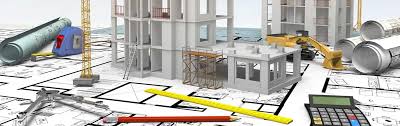


 Construction Estimating